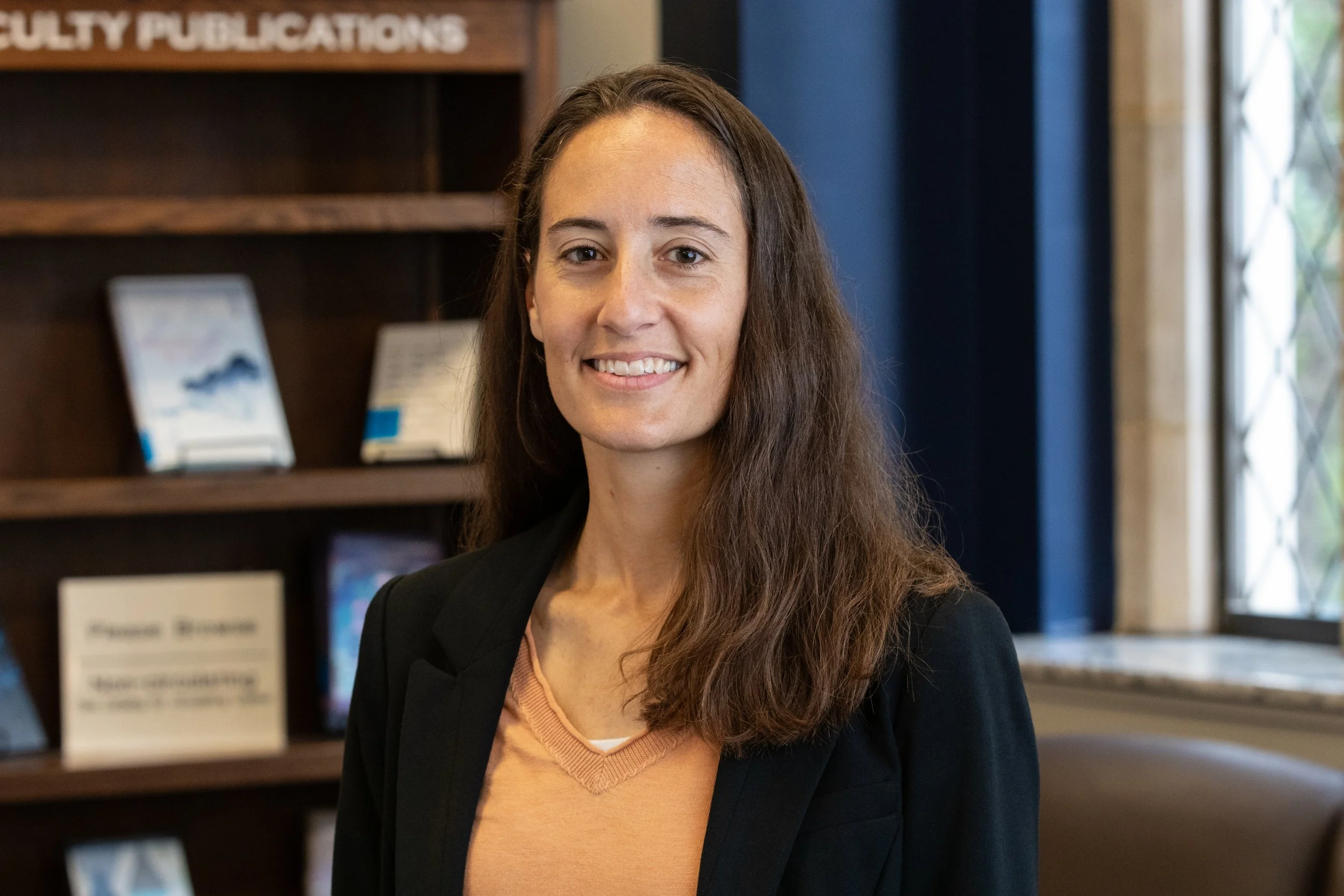
Dr Christine Müller-Renno

Christine Müller-Renno is currently working in the Department of Physics (Ziegler lab) at the RPTU Kaiserslautern, with a focus on biophysics and surface science. Her research centres on investigating the interaction of biology (ranging from single molecules to viruses, bacteria and human cells) with interfaces by Atomic Force Microscopy and other surface science methods combined with biochemical assays. The Fluid FM is also a part of her AFM workshop.

What truly excites her about AFM is its ability to access a lot of information by using force distance curves — from probing the mechanical stability of individual biomolecules to studying cell adhesion and bacterial attachment on surfaces to name only a few. All the force distance based imaging modes are fascinating.

Recent AFM-related papers:

Biography: Christine is a biophysicist working at the interface of biology and surface science. Her research focuses on the mechanical and interfacial properties of biomolecules, with particular expertise in Atomic Force Microscopy (AFM). She is especially interested in molecular mechanics, protein and polysaccharide interactions, cell and bacterial adhesion. In addition she is playing nanolego with viruses on functional and elastic surfaces. Her work aims to uncover how nanoscale structure and surface properties influence biological interaction. By combining quantitative force measurements with surface-sensitive methods, she seeks to develop insights that bridge physics and biology and contribute to applications in biomaterials and biointerfaces.

Website: https://physik.rptu.de/ags/ziegler

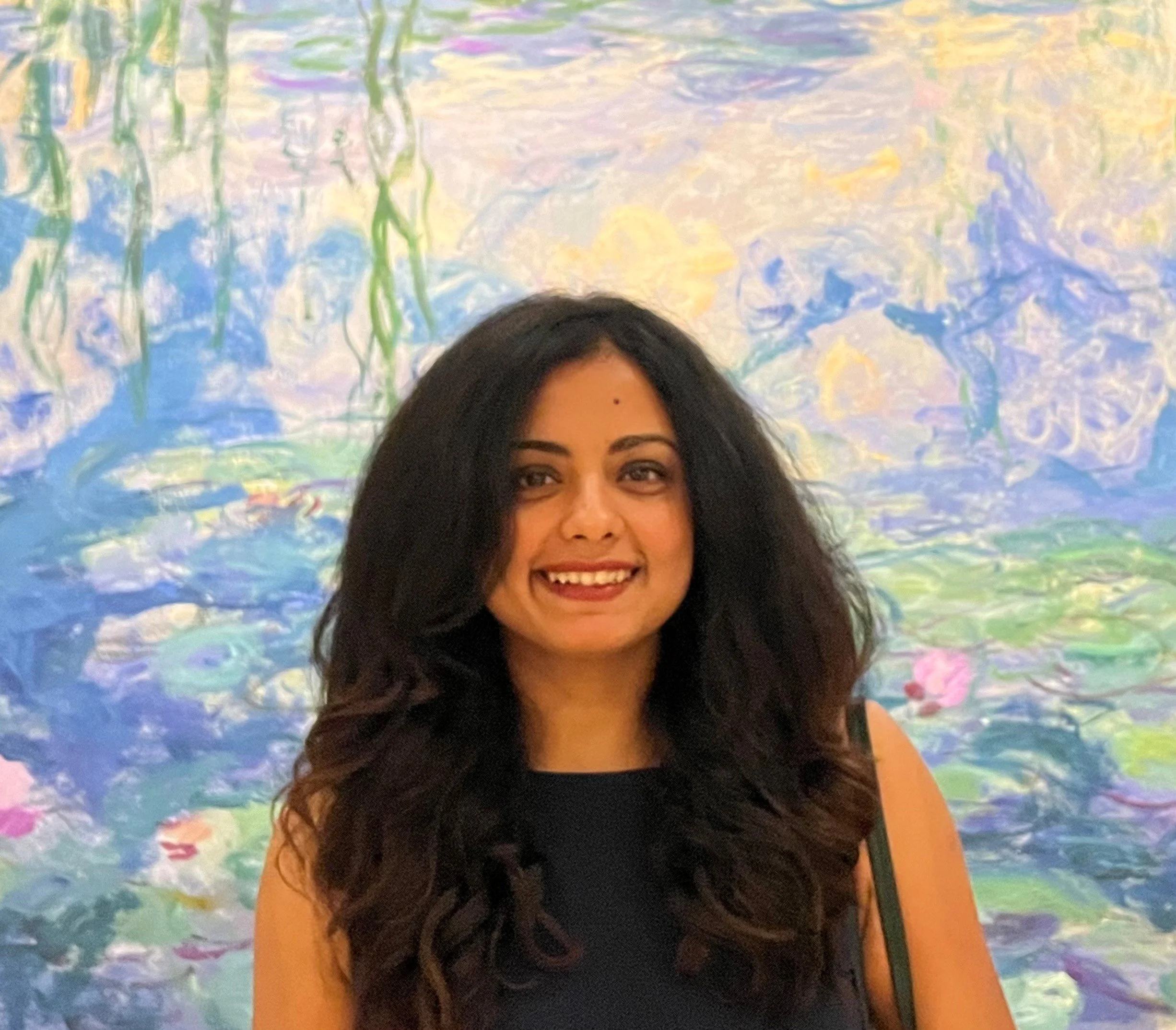
Dr Ankita Ray

Ankita Ray is currently based at the University of Sheffield working at the interface of nanobiophysics and microbiology, using high-resolution atomic force microscopy (AFM) and scattering near-field optical microscopy (SNOM) to interrogate biological systems at the nanoscale. Her research trajectory has moved from nanolithography and DNA oxidation studies to virus mechanics and force spectroscopy, and now toward understanding antimicrobial resistance in Staphylococcus through structural and mechanical mapping. Ankita is particularly interested in how nanoscale architecture, surface chemistry, and mechanical properties converge to influence biological function.

What continues to draw her to AFM is its versatility: it is simultaneously an imaging platform, a force transducer, and a nanomanipulation tool. Few techniques allow direct correlation between morphology, mechanics, and molecular interactions in near-physiological conditions. AFM enables her to ask mechanistic questions about cell wall organization, molecular binding events, or biomechanical heterogeneity with quantitative precision. The ability to bridge physics and biology at nanometre resolution is what makes AFM not just a method, but a central framework for her research.


Ankita Ray


Recent AFM-related papers:

Biography: Ankita grew up in Kolkata, India, where she developed an early and sustained interest in physics particularly electromagnetism and classical thermodynamics alongside organic chemistry and biology. She completed her bachelor’s and master’s studies in Bangalore, India, with a primary foundation in synthetic chemistry. During a research internship at the Indian Association for the Cultivation of Science, she was introduced to atomic force microscopy (AFM) in the laboratory of Prof. Rupa Mukhopadhyay. This experience marked a turning point: although formally trained as a synthetic chemist, she found her intellectual direction at the interface of multifunctional materials and microscopic interrogation techniques. During her PhD at ETH Zurich, in the lab of Prof. Yoko Yamakoshi, she synthesised tripodal scaffolds that were stably anchored on AFM tips to induce spatially controlled DNA oxidative damage under photoactuation. 

She subsequently moved to UCLouvain for her postdoctoral research, in the lab of prof. David Alsteens, where she leveraged AFM to investigate host–virus interactions, with particular emphasis on SARS-CoV-2. Her work focused on resolving nanoscale structural and mechanical signatures associated with viral binding and cellular response.

She is now extending this interdisciplinary trajectory by correlating AFM with near-field microscopy techniques to achieve multimodal nanoscale characterization. Her current objective is to develop a detailed mechanistic understanding of antimicrobial resistance through combined structural, mechanical, and spectroscopic mapping at the single-cell level

LinkedIn: https://www.linkedin.com/in/ankita-ray-phd-b7541092/

Google scholar: https://scholar.google.com/citations?hl=en&user=DYx5KbAAAAAJ&view_op=list_works&sortby=pubdate

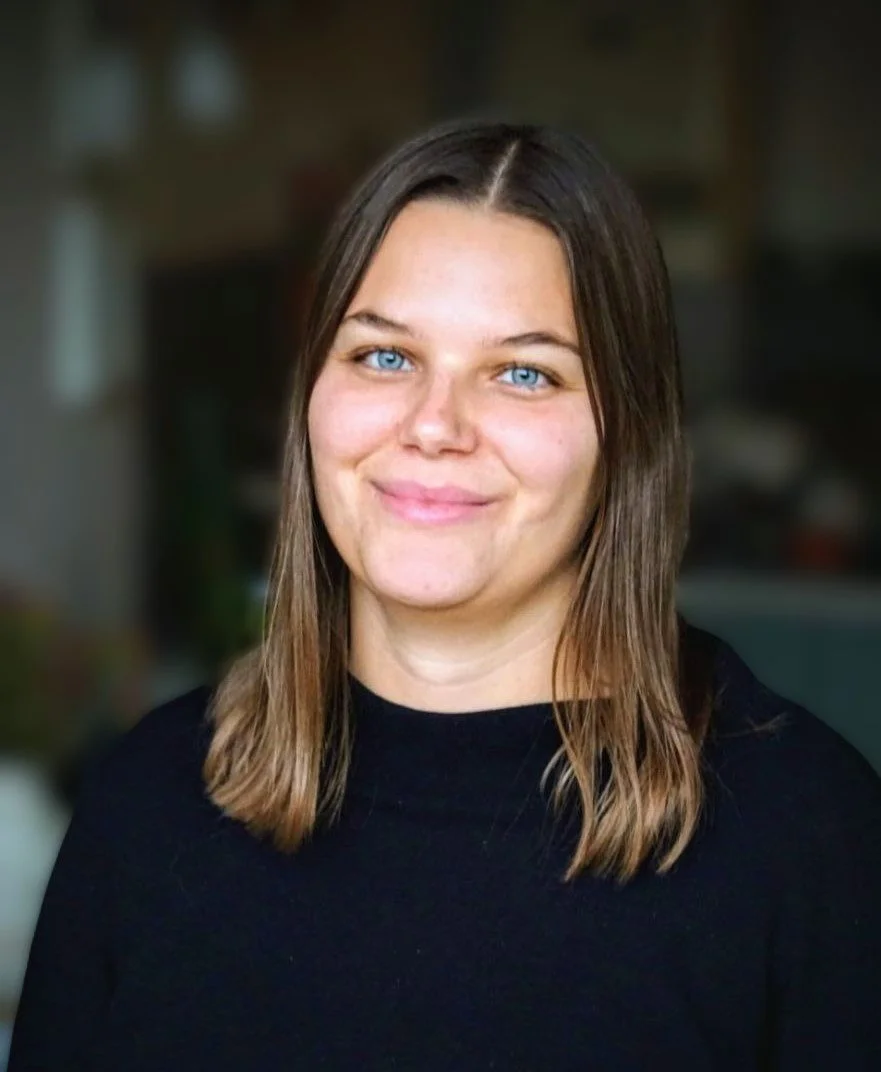
Dr Hannah Seferovic

Hannah Seferovic is a PhD graduate in Biophysics from Johannes Kepler University (JKU) Linz, Austria. Her doctoral research focused on therapeutic antibodies and the SARS-CoV-2 spike protein, where she explored single-molecule interactions and dynamics using single-molecule force spectroscopy (SMFS) and high-speed atomic force microscopy (AFM). During her PhD, she also collaborated with medical doctors to study the efficacy of ophthalmic surgical techniques using AFM nano-indentation. Her work on therapeutic antibodies was published last year in Nature Communications.

Currently, Hannah is a postdoctoral researcher at JKU Linz, where she works on a collaborative research project with international academic and industrial partners focusing on the characterization of electrode materials for battery technology. She employs advanced techniques like AFM and Shear Force Microwave Microscopy (SF-MM), a method that combines mechanical shear force resonance with microwave signals to probe surface topography and electrical material properties. Through these techniques, Hannah investigates material changes during battery ageing, which is critical for optimizing battery design and extending its operational lifetime.


Hannah Seferovic


Recent AFM-related papers:

Biography: Hannah has a BSc in Technical Physics and switched to Biophysics for her MSc and PhD. During her MSc she worked on a self-sensing cantilever AFM system for use in turbid liquids such as blood. She then completed her PhD in the Experimental Biophysics group at JKU Linz, where she studied single-molecule interactions in the context of viral infections and therapeutic antibodies for cancer treatment. After a career break to explore Central and South America for several months, Hannah started her postdoctoral work in the Nanoelectronics group at JKU Linz, where she is now focusing on electrode material characterisation for battery research. In 2026, alongside her postdoctoral research, Hannah also launched her journey as a solopreneur, working as a freelance scientific and medical writer.

LinkedIn: https://www.linkedin.com/in/seferovic/


Are you a woman conducting AFM research or know of someone you would like to nominate to be featured in our next #WomenInAFM campaign? Contact us at community@nunano.com!
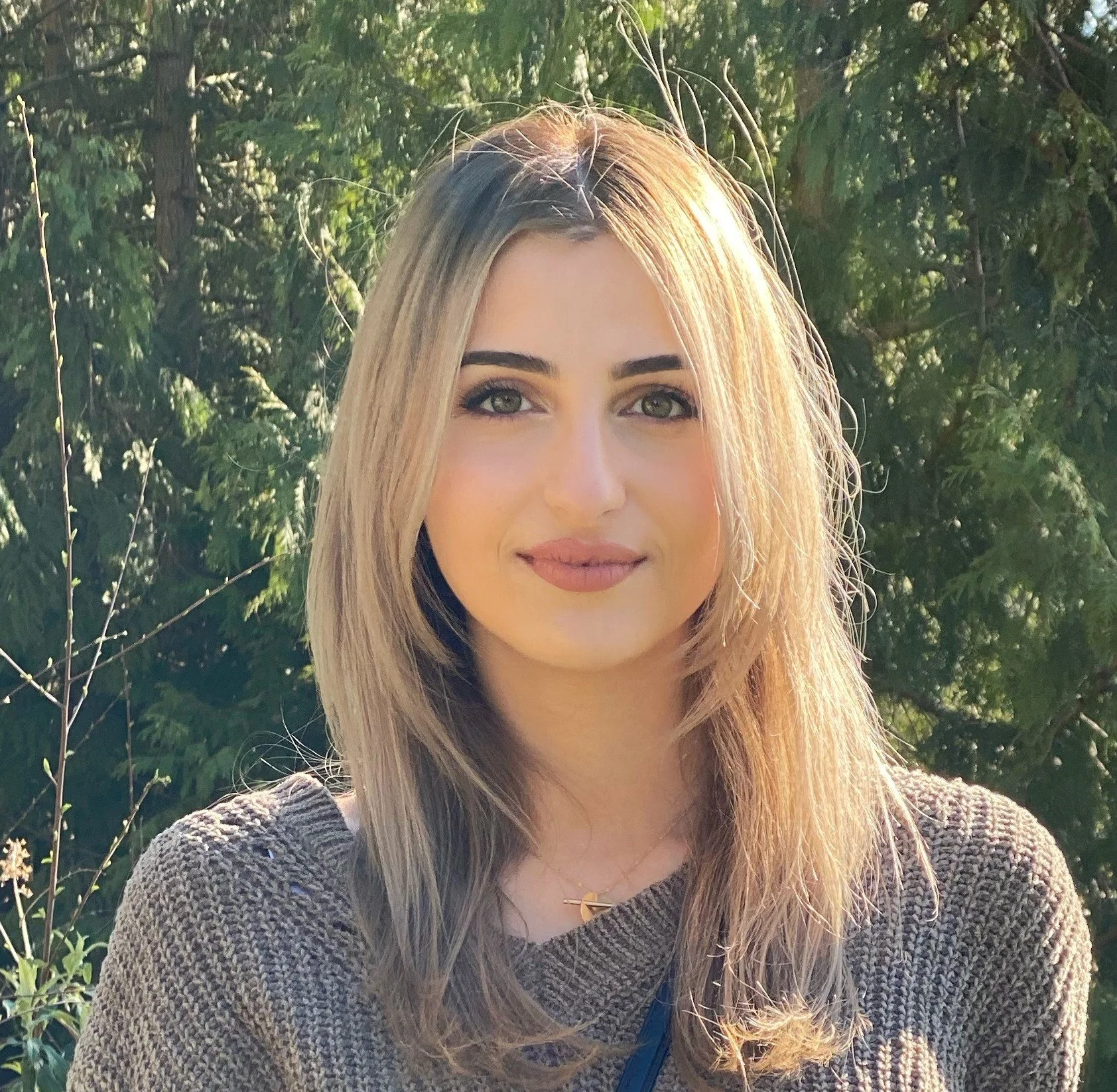
Dr Alaa Al-Shaer

Alaa Al-Shaer is a postdoctoral fellow at Simon Fraser University, where her research sits at the intersection of single-molecule biophysics, matrix biochemistry, and tissue engineering. Her current work focuses on isolating structurally complex collagens and reconstituting them into biomimetic scaffolds that more faithfully recapitulate native human tissues.

During her PhD, Alaa used atomic force microscopy (AFM) to uncover how molecular sequence features encode the mechanical behavior of individual collagen molecules. This foundation now drives her efforts to translate molecular-scale insights into macroscale tissue properties. AFM has been an instrumental tool in her work, enabling insights across length scales: from identifying and quality-controlling purified matrix proteins, to probing protein–protein interactions, to quantifying the mechanical stiffness of assembled scaffolds.


Alaa Al-Shaer


Latest AFM publications:

Biography: Alaa completed her BSc in Biological Physics at Simon Fraser University (SFU) and received an NSERC PGSD Fellowship to pursue her PhD in Molecular Biology and Biochemistry, completed in 2024. Her doctoral research examined how environmental factors regulate the mechanics of single collagen molecules, which are intrinsically unstable at body temperature.

Following her PhD, Alaa worked as a research scientist at Aurora BioSolutions, where she contributed to the development of animal component-free bioprocesses for matrix protein production. She has since returned to SFU as a postdoctoral researcher, focused on engineering mechanically robust biomimetic matrices for biomedical engineering and regenerative medicine applications.

LinkedIn: www.linkedin.com/in/alaa-al-shaer-177b38128

ResearchGate: https://www.researchgate.net/profile/Alaa-Al-Shaer


Are you a woman conducting AFM research or know of someone you would like to nominate to be featured in our next #WomenInAFM campaign? Contact us at community@nunano.com!
Prof Antonella Badia

Antonella Badia is a Professor at the Université de Montréal, where she leads a research program centered on structure–property relationships in organic ultrathin films formed by molecular self-assembly or Langmuir–Blodgett deposition, and on the use of such organized films in applications including redox-responsive surfaces, nanomechanical actuation and sensing, and biomembrane models. Ever since she first heard, as an undergraduate student, about a microscope capable of seeing atoms, she has been determined to use scanning probe microscopy (SPM) in her research. Many years later, she remains excited by the experience of watching the secrets of a material surface emerge point by point and line by line through SPM imaging. Her current work primarily uses Atomic Force Microscopy (AFM) to investigate how inhaled molecular and particulate species alter the structure of pulmonary surfactant films and to assess their potential to impair respiratory health. Other work focuses on electrochemical AFM studies of redox-modified electrode surfaces to understand how molecular charge conversion translates into collective interfacial behavior and, ultimately, into device or material performance.

Antonella Badia is also the scientific director of Université de Montréal’s core facility in Scanning Probe Microscopy, which is used by hundreds of researchers each year.

Recent AFM-related papers:


Biography: Antonella received her PhD in Chemistry from McGill University in Montreal in 1996. She then held Schlossmann and NSERC Postdoctoral Fellowships at the Max Planck Institute for Polymer Research in Mainz, where she employed surface plasmon resonance and electrochemical AFM to investigate the chemisorption and reductive desorption of organothiolate self-assembled monolayers on metal surfaces. She subsequently completed a second postdoctoral fellowship in the Department of Physics at McGill University, working on block copolymer film lithography, before joining the Department of Chemistry at Université de Montréal in 1999. Antonella is a researcher at the Institut Courtois, which is dedicated to fundamental research in materials accelerated by artificial intelligence, and a Cottrell Scholar (Research Corporation for Science Advancement).

ResearchGate: https://www.researchgate.net/profile/Antonella-Badia

Webpage: https://chimie.umontreal.ca/repertoire departement/professeurs/professeur/in/in14627/sg/Antonella%20Badia/


Are you a woman conducting AFM research or know of someone you would like to nominate to be featured in our next #WomenInAFM campaign? Contact us at community@nunano.com!
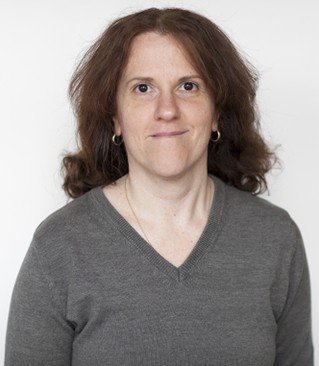
Dr Delphine Sicard

Delphine Sicard is an assistant professor in Physiology at University Sorbonne Paris Nord and works in the Hypoxia & Lung Laboratory (UMR1272) located in Bobigny, France. Her current research in the field of mechanobiology focuses on the alterations of tissue mechanical properties that drive disease development and progression such as fibrosis and cancer in lung tissue. Using AFM force spectroscopy, she developed a robust experimental method to characterize tissue stiffness at microscale and demonstrated some significant mechanical changes in physiological and pathological conditions.

Her excitement about AFM comes from how a “slow” approach and a “soft” touch can probe fundamental atomic forces, opening the door to deeper insights into disease mechanisms, enhancement of diagnosis, and the development of new therapeutic approaches.


Delphine Sicard


Recent AFM-related papers:

Biography: Formally trained as a physicist at University of Toulouse (France), Delphine obtained her PhD in physics and material sciences from Ecole Centrale de Lyon (Lyon Institute of Nanotechnology) in 2012 studying structural arrangement of biomolecular complexes using AFM imaging. In 2014, she joined Pr. Daniel Tschumperlin Lab at Mayo Clinic (Rochester, MN, USA) to investigate lung tissue stiffening in idiopathic pulmonary fibrosis. She moved back to France in 2023 at Pasteur Institute of Lille to work on airway mechanical remodelling in asthma. Since September 2024, she has been appointed as an assistant professor at University Sorbonne Paris Nord (Bobigny, France) and has joined the Hypoxia & Lung Laboratory.

LinkedIn: www.linkedin.com/in/delphine-sicard-uspn

Researchgate: https://www.researchgate.net/profile/Delphine-Sicard-3


Are you a woman conducting AFM research or know of someone you would like to nominate to be featured in our next #WomenInAFM campaign? Contact us at community@nunano.com!
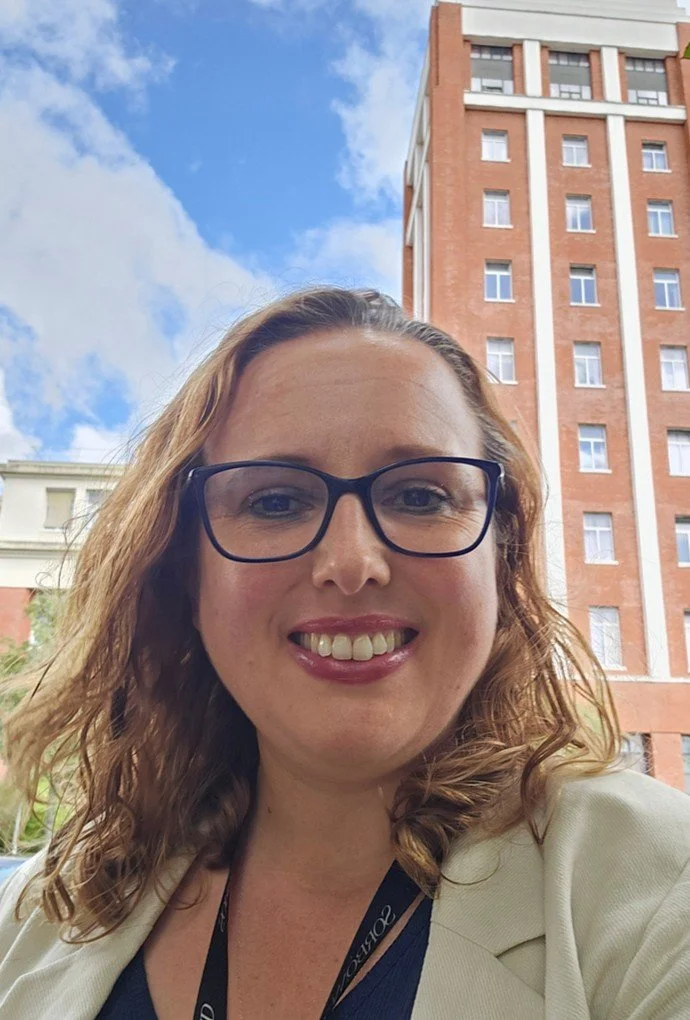
Oriane de Leuze

Oriane de Leuze is a PhD student in UCLouvain (IMCN), finishing her thesis about charge transport in MXenes and their prospects for gas sensing applications. Since MXenes are 2D materials made of µm-sized flakes, scanning probe microscopy is one of the most important tools of her experimental work. During her PhD thesis, she used the electrical modes of the AFM to obtain nanoscale insights on charge transport mechanisms of MXenes, that she could share with other AFM-enthusiasts on several occasions during the Forum des Microscopies à Sonde Locales (http://www.sondeslocales.fr/). Apart from the excitement to reach the nanoscale with scanning probe microscopy, she always had great pleasure interacting with the AFM-STM community, filled with kind, passionate people always happy to collaborate.


Oriane de Leuze


Are you a woman conducting AFM research or know of someone you would like to nominate to be featured in our next #WomenInAFM campaign? Contact us at community@nunano.com!
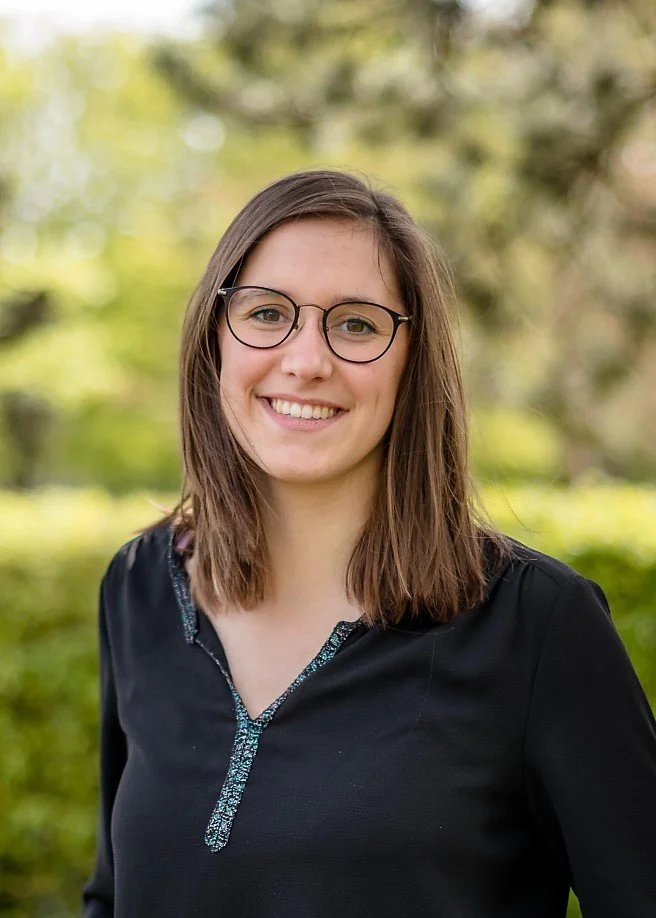
Dr Christine Helms

Christine Helms is an Associate Professor of Physics at the University of Richmond. Christine’s research is interdisciplinary, bridging physics, biology, and engineering. She studies the mechanical properties of nanofibers using AFM. Nanofibers are important in the body, for example, they are major components of the extracellular matrix and blood clots. Using the technique of electrospinning the lab can produce synthetic nanofibers that are similar in size to fibers found in the body. These synthetic fibers offer promise for tissue engineering and drug delivery. However, to optimize their performance the mechanical properties of the nanofibers must match their intended application. Because of their small size, around 100 nm in diameter, the AFM is a crucial tool for measuring the mechanical properties such as modulus, strength and extensibility. Beyond synthetic fibers, the AFM also allows the lab to study the mechanical properties of the fibers that form blood clots, fibrin fibers. These studies provide insight into the relationship between protein structure and mechanics. They also allow us to test conditions that alter blood clot properties as clot properties relate to disease.    


Christine Helms


Recent AFM-related papers:

Biography: Christine is an Associate Professor of Physics at the University of Richmond, where she carries out research in the fields of biophysics, biomaterials, and mechanical engineering.  She received her Ph.D. from Wake Forest University in 2010. Changing labs but remaining at Wake Forest she did her postdoctoral work from 2010 through 2013. In 2013, Dr. Helms began as an assistance professor in the physics department at the University of Richmond and is currently an associate professor and chair of the physics department. 

Website: https://physics.richmond.edu/faculty/chelms/


Are you a woman conducting AFM research or know of someone you would like to nominate to be featured in our next #WomenInAFM campaign? Contact us at community@nunano.com!